
Why Ashtanga Part 2: Purification
 I’ve allowed some months to pass since my last post on Ashtanga, as I have gone deeper into my practice and contemplated more on what drives me to continue. The first reason I keep this as a major part of my life and the first impact the new practitioner is likely to feel is physical purification. This is best understood through experience – and I encourage all to try this practice for a month with an experienced teacher – but I will try to explain in words in the hope that I pique someone’s interest in exploring further.
The breath is the key: the first heat generation method of Ashtanga is the special type of breathing it employs, called Ujjayi breath.2 This technique involves swirling air at the back of the throat during inhaling and exhaling, creating a Darth Vader sound even though you are breathing through your nose – I’ll let Kino explain to you how to accomplish this.3 Swirling the air increases its kinetic energy and therefore its heat. When you inhale, hot air passes into your lungs, heating your chest; then this air passes into your bloodstream, traveling to all areas of the body. When you exhale, hot air passes through the head, heating it on its way out. Breathing in this way continually through the practice helps establish and maintain a full body heat, which the other methods serve to augment. Constant kegels: the most subtle heating method of Ashtanga is the engagement of two energy locks in the pelvic and abdominal regions – Mula Bandha and Uddiyana Bandha. The first is a flexing of the perineum muscle on the pelvic floor. This is part of the area you would engage while doing Kegel exercises, so the starting point is to flex all of the muscles in that region and over time localize to the exact muscle. The second is a constricting of the abdominal muscles such that the stomach does not move while breathing. Here is David Swenson explaining these bandhas. This flexing stokes the internal fire in the belly and spreads its heat throughout the body during practice. Though not one of the reasons I do Ashtanga, engaging these bandhas over time has the interesting side effect of enhancing sexual control – feel free to inquire for more details. Flying on a yoga mat: the last heat generation method is Vinyasa, the flying movement between each seated posture. The basic progression is 1) hold sitting posture for 5 breaths, 2) inhale lift off the ground, fly back to push-up position, 3) exhale lower into hovering just above the floor, 4) inhale updog, 5) exhale downdog, 6) inhale fly through to sitting, 7) repeat. Steps 2-6 are the Vinyasa. Here are a group of advanced practitioners under Sri K. Pattabhi Jois doing Vinyasa. This motion again increases kinetic energy through the whole body and builds heat through repetition throughout the practice.
The first series of postures you learn in Ashtanga is called Yoga Chikitsa, or “yoga therapy”. The main avenue for the purifying therapy of the Primary Series is heat. Though a relatively stationary and aerobic form of exercise, Ashtanga generates an extraordinary amount of heat, which anyone who has practiced in a room of 50 people in the mid-summer can attest to. Heat burns away excess fat, kills disease, and releases toxins through the sweat. In my first year of serious practice with my teacher I lost 10kg before finally stabilizing around 6kg lower than when I started.1 Though it is the very surface of the practice, anyone looking to shed some excess weight should take me up on that one-month challenge.
As my teacher says, however, the practice is not meant to be painful, especially in the joints. Push yourself to the edge, but not over it, and back off from anything that causes joint pain – it will only end up delaying your progress or resulting in what my teacher calls a “slow motion injury”, where you practice through pain, sometimes for years, and then all of a sudden something snaps. Finally, practice with a teacher – you’re at higher risk of going too far or hurting yourself through poor form during self practice.
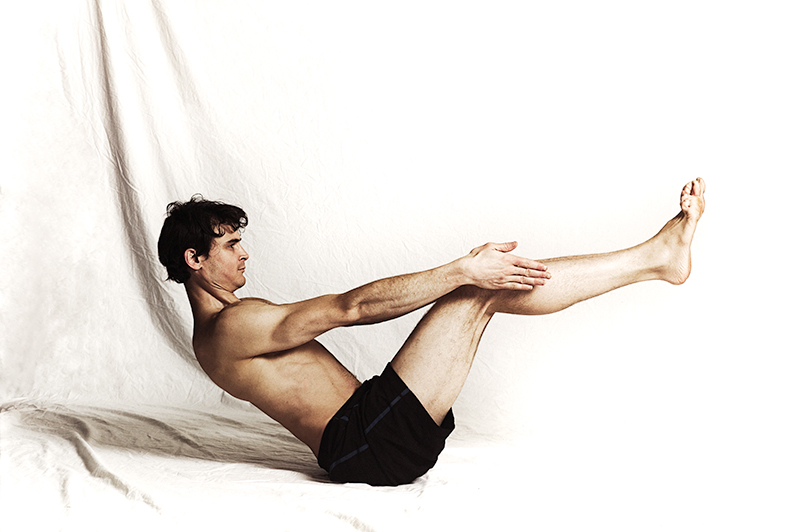
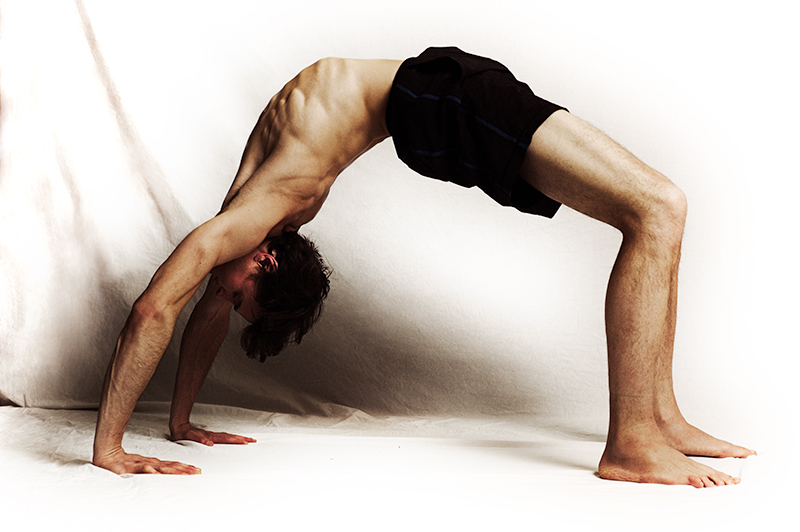
In brainstorming this article I have often thought of the climactic scenes leading to the death of William Wallace in Braveheart. Though I want people to try this practice and for the most part look forward to each day’s session, I can’t just say it will be a happy experience from excess-baggage-carrying beginning to fit-light-and-free end. There will be pain, and like William Wallace, through that pain you can achieve your freedom. Specifically there will be soreness that comes with any muscular exercise. There will be parts of the practice that push you close to tears on a daily basis (Navasana, backbends, and Uth Plutihi do that for me). More seriously, there will be joint pain and potential injury – last year I had lower back pain for months and my left shoulder hasn’t been right since I put on some weight traveling back to the US in May. I can say that my back is now stronger and freer for having battled that pain, and can only hope to eventually say the same about the shoulder.

Beyond physical purification, another natural extension of Ashtanga is a deeper look into morality and our interaction with the world. Through the practice we look inward, and in doing so we gain insight on right and wrong, and how we should act in the world. It was this effect that caused me to see my former path in life was wrong and moved me to embark on the current one. Put simply, Ashtanga purifies our intent, and that is truly the reason I continue practicing. So we see that through a combination of heating the body through breath, Vinyasa, and the bandhas, and changes outside the practice like diet and increased moral awareness, Ashtanga works to purify the being, making it an efficient vehicle with which to connect with the soul, or the higher Self. But before we get there, we will need to reign in the next and more challenging obstacle to higher states of awareness – the mind. In a future segment I will go into how Ashtanga helps to, as my friend puts it, “tame the monkey mind”, thus opening the door to the soul.
Certain behavioral changes that occur as natural outgrowths of the practice will also contribute to purification. The first one will likely be diet. Inevitably you will begin to think intently on the foods you take for nourishment. You will naturally favor those that make the practice lighter and easier – this means more fruits and vegetables and less meats, fried foods and desserts.4 Ingesting better foods contributes to fat loss and reduces toxins present in the system. When all of our unnecessary baggage is gone, the practice finally becomes light and easy (in theory, I’m not close to there yet!).
1 This can actually be a problem for people with a body type that does not gain weight easily (Vata in Ayurveda) – some fat layering is useful for fertility, immune system strength and warmth, but Ashtanga tends to do a good job of removing everything
2 Recently it has been called simply “free breathing with sound” to distinguish it from a separate type of breathing exercise
3 David Swenson’s video is also an excellent primer
4 The traditional interpretation of Ahimsa, or non-violence, part of the first leg of Ashtanga yoga, says that one should not eat meat, which harms animals. As a result most Ashtanga yoga practitioners become vegetarian.